
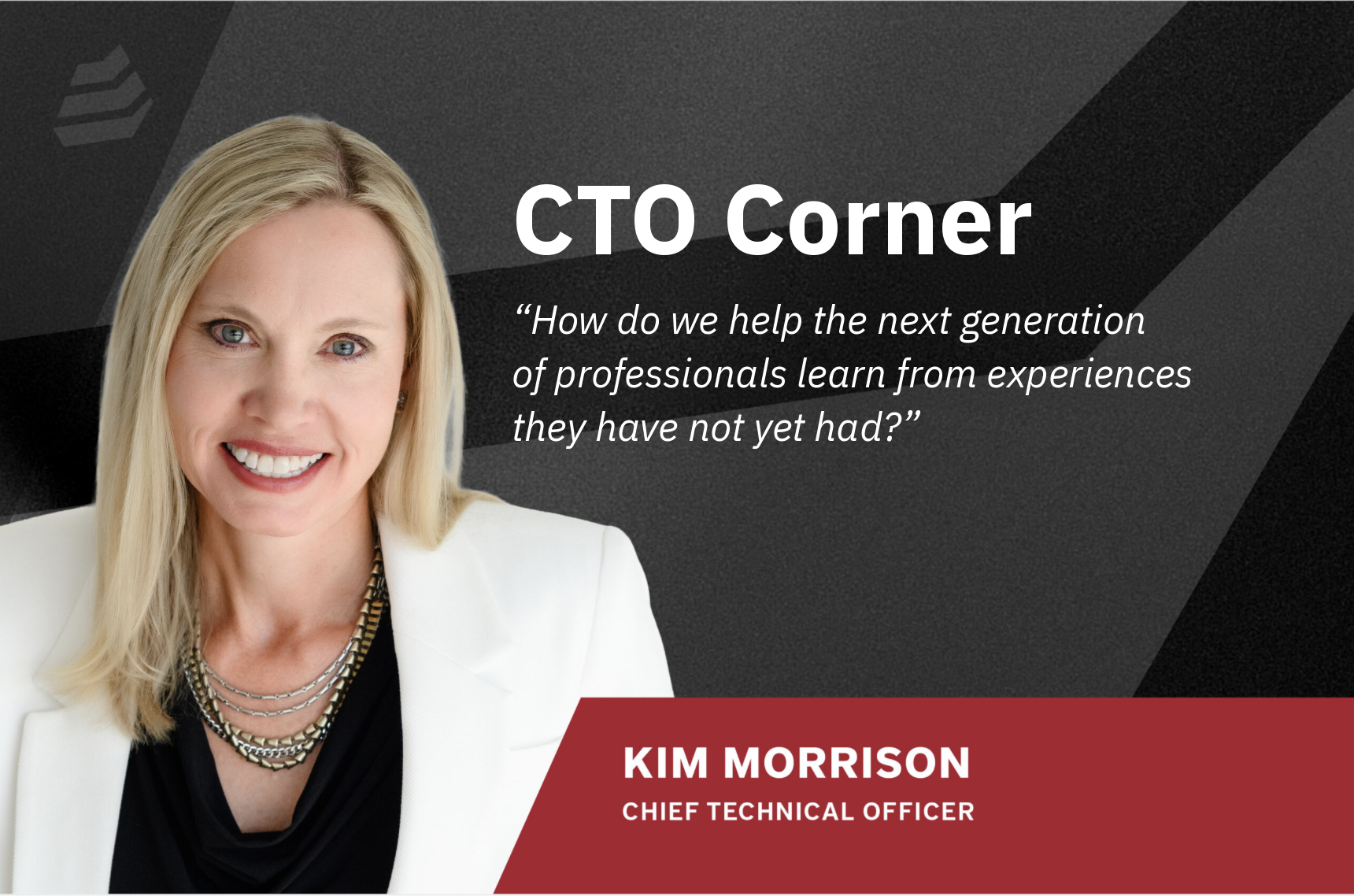
By Kim Morrison, Chief Technical Officer, ATC Williams
One of the realities of our profession is that the most important lessons are often learned the hard way. Experience remains one of the most valuable assets a technical professional can possess. It provides context, judgement, and an understanding of nuances that can’t be captured in standards, guidelines, software packages, or textbooks.
Yet experience takes time to acquire. In the industries we serve (from mining, tailings, water management, and waste management through to resource recovery and closure), some lessons may take decades to emerge across the life of an asset. Others are learned only through failures, near misses, or significant operational challenges.
This raises an important question: How do we help the next generation of professionals learn from experiences they have not yet had?
The power of borrowed experience
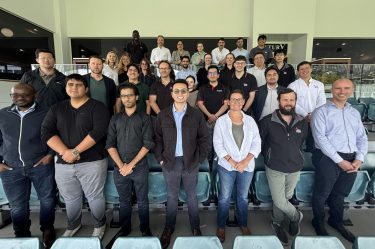
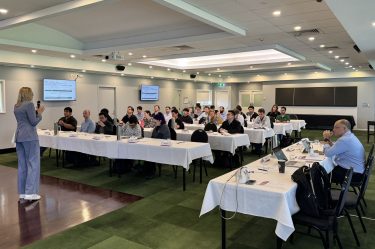
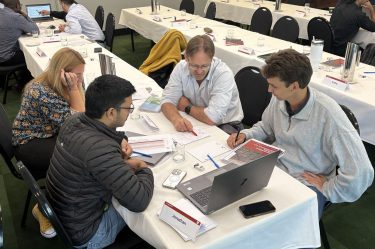
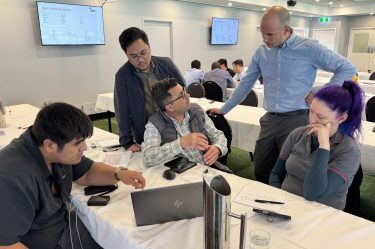
I’ve been reflecting on this question following our recent ATC University (ATCU) Responsible Tailings Management 101 workshop in Brisbane.
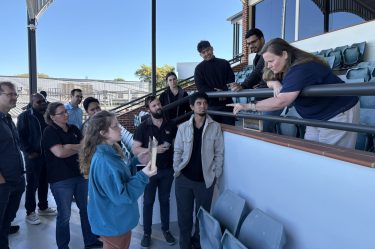
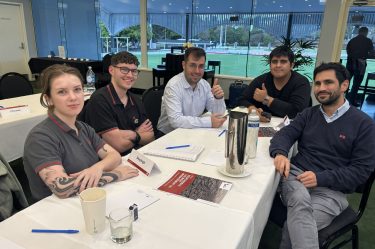
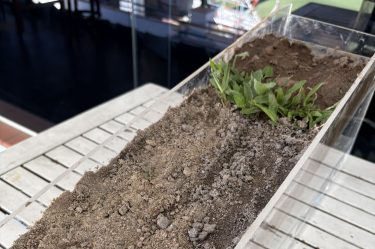
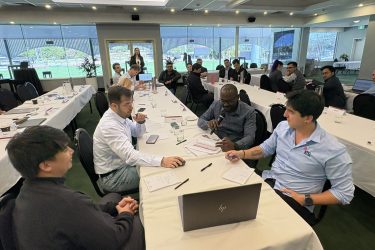
Over three days, ATC Williams staff and several client participants came together to explore topics ranging from tailings fundamentals and governance through to risk management, closure, environmental and social considerations, and emerging industry practices. The format intentionally combined technical presentations with case studies, group exercises, and open conversations.
What struck me most was the level of engagement whenever we moved beyond theory and into experience. Discussions that consistently generated the greatest interest were those around:
- real projects,
- operational challenges,
- industry case histories, and
- lessons learned.
Participants were not simply seeking knowledge. They were seeking perspective. I think that distinction is important.
Technical concepts can be taught relatively quickly. Judgement is developed over time. The ability to ask the right questions, recognise warning signs, identify emerging risks, or understand the implications of a decision often come from accumulated experience.
Yet one of the greatest opportunities we have as a profession is to shorten the learning curve by sharing our collective experience. In doing so, we help others develop judgement, perspective, and understanding long before those lessons present themselves firsthand.
Learning beyond the classroom
Professional development is often associated with training courses, certifications, or technical presentations. While these each have value, the real objective is much broader. The goal is to create opportunities for people to access the collective experience of others.
Every case history studied, every conference presentation attended, every mentoring conversation, every technical review, and every project debrief provides an opportunity to learn lessons that were earned elsewhere.
In many cases, those lessons represent years of effort, difficult decisions, unexpected outcomes, or challenges that we may never personally encounter. When viewed through that lens, professional development becomes less about acquiring information and more about compressing learning.
- A well-designed case study can expose an early-career engineer or scientist to situations that might otherwise take decades to encounter.
- A discussion with an experienced operator can provide insights that are impossible to gain from design reports alone.
- A conference presentation can highlight emerging challenges and innovative solutions long before they become widespread practice.
Creating a learning organisation
As I reflect on my own career, many of the lessons that shaped my thinking didn’t come from projects I worked on personally. They came from mentors, case histories, conference discussions, technical reviews, and conversations with practitioners who were willing to share their experiences openly. In many ways, my professional development has been built as much on borrowed experience as on my own.
That realisation has increasingly influenced how I think about technical leadership and capability development. If experience is one of our most valuable assets, then we shouldn’t leave its transfer to chance. We should create opportunities for it to be shared deliberately.
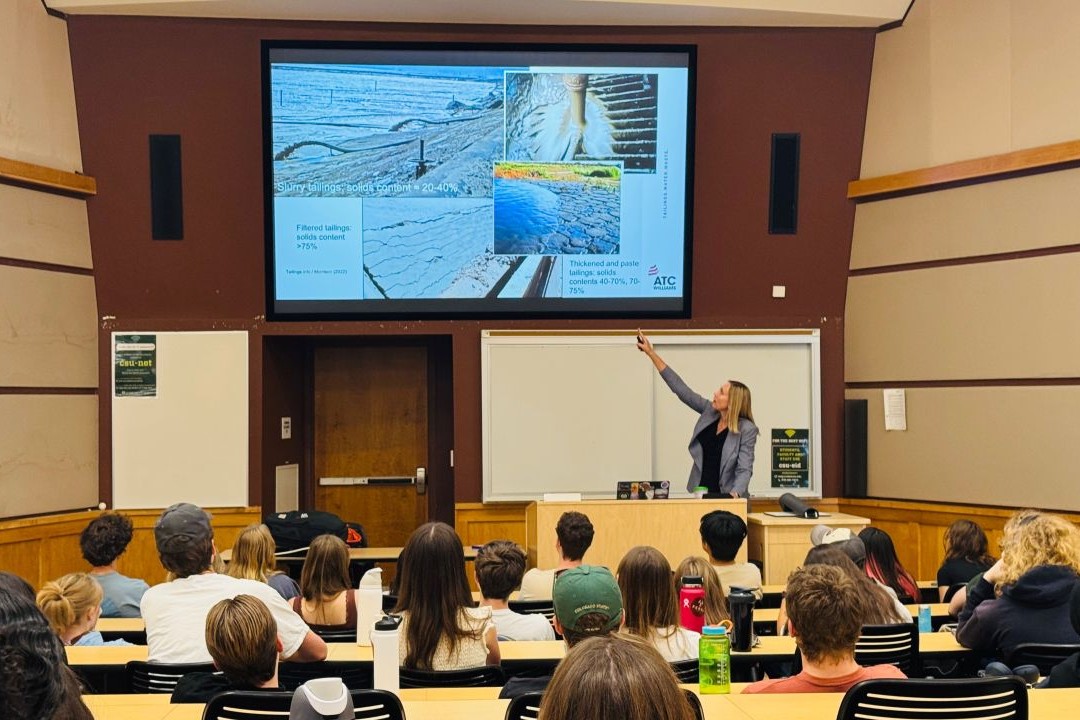
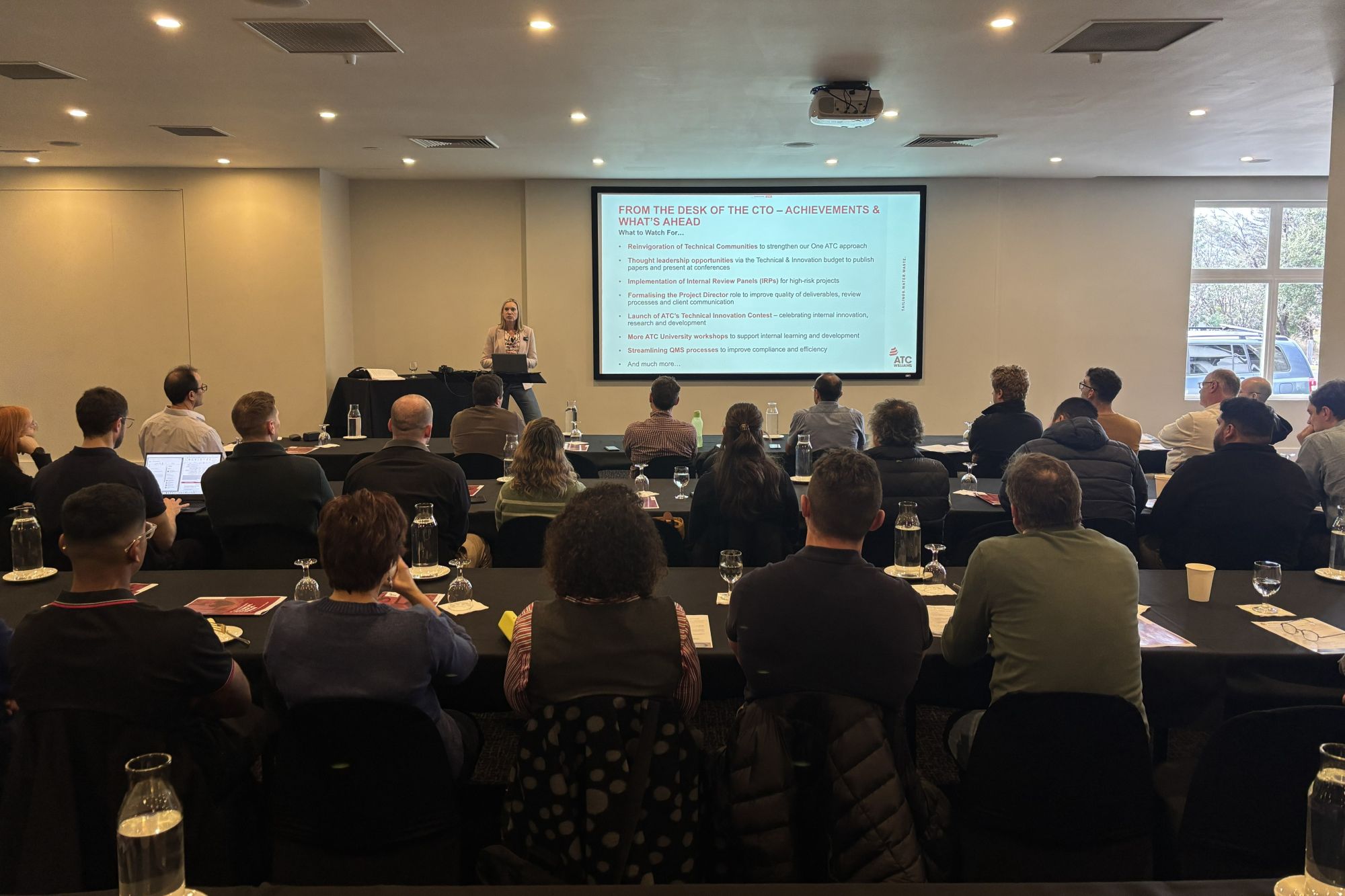
This is one of the reasons I’m passionate about initiatives such as ATC University, our Technical Communities, mentoring, innovation projects, and our long-standing technical seminars. While each serves a different purpose, they’re all founded on a common principle: create opportunities for people to learn from experiences they may not yet have encountered themselves.
The reality is that each of us experiences only a fraction of the challenges, decisions, successes, and failures that occur across the industries and projects we serve during our careers. What expands our judgement is exposure to the experiences of others. The most valuable insights are often found in understanding:
- why decisions were made,
- what assumptions proved wrong, and
- how unexpected challenges were ultimately resolved.
To me, a learning organisation is one that creates the conditions for those conversations to occur. It values curiosity, encourages knowledge sharing, and recognises that expertise exists throughout the organisation. In doing so, it transforms individual experience into collective experience, creating a capability that’s far greater than any one person can develop alone.
Looking forward
As technical professionals, we often speak about learning from experience. Perhaps we should place equal emphasis on learning from the experience of others.
When we study case histories, participate in workshops, attend conferences, engage with operators, contribute to technical communities, or collaborate across disciplines, we gain something invaluable: the opportunity to benefit from lessons that others have already paid for.
While experience remains one of our most valuable teachers, the ability to learn from the experience of others may be one of our most powerful professional skills.